
Affiliate Marketing for Beginners: Complete Starter Guide
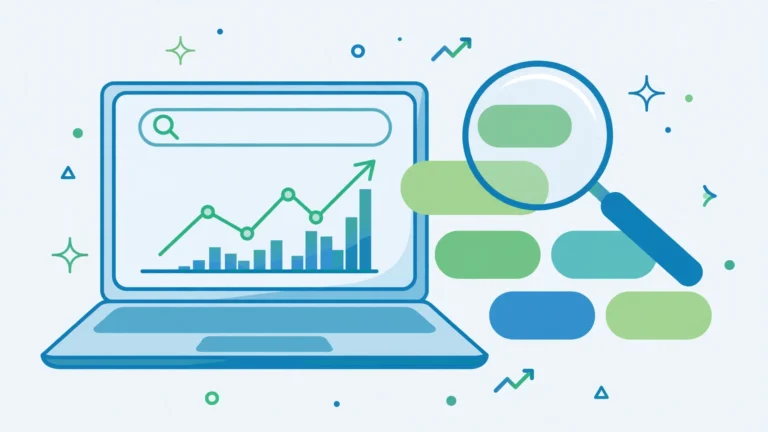
Affiliate marketing is a way to earn a commission by recommending products or services you did not create. You join a merchant’s program, get a unique tracking link, and place it in content people trust. When someone clicks your link and makes a qualifying purchase, the merchant pays you a commission. You never handle inventory, shipping, or customer support.
This affiliate marketing for beginners guide covers the whole process in plain language: how affiliate marketing works, how commissions and cookies are tracked, how to pick a niche and a program, which content converts, and the disclosure rules you must follow.
By the end, you will know what to do in your first 30 days, which programs beginners trust most, and what realistic progress looks like in year one.
Key Takeaways
- Affiliate marketing means earning commissions for recommending other companies’ products. You never handle inventory, shipping, or customer support.
- Commissions come as percentages, flat fees, or recurring payments. Cookie windows range from 24 hours to 90 days by program.
- Pick one narrow niche you can cover for a year, and confirm affiliate programs exist in it before you build.
- Amazon Associates, ShareASale, CJ Affiliate, and Impact are the most beginner-friendly starting points.
- The FTC requires clear disclosure of affiliate links. Expect months of consistent work before meaningful income, not days.
- What is affiliate marketing and how does it work?
- How do affiliate commissions and cookies actually work?
- How do you choose a profitable affiliate marketing niche?
- Which affiliate marketing programs should beginners join?
- How do you build a platform that converts?
- What content strategies actually drive affiliate sales?
- How do you track affiliate links and measure results?
- What are the FTC disclosure rules for affiliate links?
- What mistakes do beginners usually make?
- How long does it take to earn money with affiliate marketing?
- Frequently asked questions
What is affiliate marketing and how does it work?
Affiliate marketing is a performance-based partnership in which a merchant pays you a commission for sales you help generate. You earn only when your recommendation leads to a qualifying action, usually a purchase. It dates back to the late 1990s, when online retailers realized that paying many small referrers cost less than traditional advertising, and affiliate marketing now spans nearly every industry.
Four parties take part in every affiliate transaction:
- The merchant. The company selling the product, such as Amazon or a software vendor; it sets the commission rate and program rules.
- The affiliate network. A platform connecting merchants with affiliates and handling tracking and payouts. ShareASale, CJ Affiliate, and Impact are the best-known examples.
- The affiliate. That is you. You create content, place tracking links in it, and earn commissions on resulting sales.
- The customer. The person who clicks your link and buys. They pay the normal price; your commission comes from the merchant’s margin.
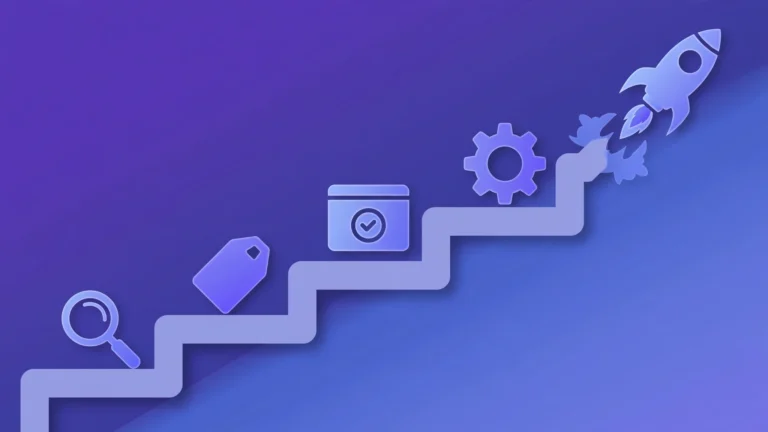
The process runs in a loop: join a program and get a unique tracking link, publish helpful content containing it, a reader clicks and a cookie ties that click to your account, the reader buys within the cookie window, and the network records the sale and pays you monthly once you pass a minimum threshold.
That is the entire engine.

How do affiliate commissions and cookies actually work?
Commissions are the money; cookies are the tracking. Most programs pay in one of three ways:
| Commission type | How it pays | Typical example |
|---|---|---|
| Percentage of sale | A cut of each order value | Amazon Associates pays roughly 1 to 10 percent by category |
| Flat fee per action | A fixed amount per sale or signup | Web hosts and VPNs often pay $50 to $150 per referral |
| Recurring | A share of every subscription payment while the customer stays | Software tools often pay 20 to 50 percent monthly |
Do not overlook recurring commissions: ten referrals to a $50-per-month tool at 30 percent earn $150 per month while those customers stay subscribed, versus a single $150 flat fee. Recurring revenue compounds.
Cookie duration. Your link stores a tracking cookie in the buyer’s browser, crediting you for purchases inside its window. Amazon Associates uses 24 hours, ShareASale merchants 30 to 90 days, ClickBank 60 days, and CJ Affiliate and Impact vary by merchant. Longer windows matter for expensive purchases. Most programs use last-click attribution, so direct links inside buying guides beat footer links.
How do you choose a profitable affiliate marketing niche?
Your niche is the topic your affiliate business is built on. Beginners fail here most, usually by picking something too broad (“technology”) or with no buying intent (“fun facts”). Apply this three-factor test, and steer clear of the “make money online” niche itself: it is saturated and draws extra scrutiny. You will do better promoting products you genuinely use.
- Sustainable interest. Choose something you can stay curious about for at least a year; real experience with the products is a major trust advantage.
- Buyer demand with programs behind it. Search “[your niche] affiliate program” first. If no established merchants or networks run programs there, your links lead nowhere. Home office gear, budgeting apps, fitness equipment, pet care, and web hosting are proven examples.
- Beatable competition through an angle. Broad niches are crowded, but angles are open. “Home gym equipment for apartment dwellers” beats “fitness.” “Invoicing tools for freelancers” beats “software.” A specific audience beats a general topic.
Validate before building: confirm real programs exist, buyers search for advice (try “[product] review” in autocomplete), and you can name ten topics easily. If any check fails, narrow the niche or switch.

Which affiliate marketing programs should beginners join?
Start with one or two programs, not ten. These four are the most beginner-friendly:
| Program | Best for | Typical commission | Cookie duration | Approval |
|---|---|---|---|---|
| Amazon Associates | Every product category | 1 to 10 percent by category | 24 hours | Easy |
| ShareASale | Bloggers, lifestyle, software | 5 to 30 percent | 30 to 90 days | Easy to moderate |
| CJ Affiliate | Established brands | 3 to 20 percent | Varies by merchant | Moderate |
| Impact | SaaS, direct-to-consumer brands | 10 to 30 percent | Varies by merchant | Moderate |
Amazon Associates is the easiest start: nearly every product category exists there and shoppers trust Amazon’s checkout, though rates are low and the cookie lasts just 24 hours. ShareASale is a strong second program with thousands of merchants, better rates, and longer cookies. CJ Affiliate and Impact unlock bigger brands and software companies, though some merchants review applications manually.
Prepare before you apply. Approval is faster with a live site holding a few published posts, a clear niche focus, a privacy policy and affiliate disclosure page, and a payment method on file. Blank sites get rejected most often. When choosing between programs, match the program to a real problem your audience has, prefer recurring commissions over one-time payouts when the audience fits, check conversion evidence (ClickBank gravity scores, ShareASale earnings-per-click data), and start with two programs maximum.
How do you build a platform that converts?
You need one primary platform where your content lives. Three options work for beginners:
- A blog (WordPress). You own the traffic, posts rank for years, and old reviews keep earning. If a plain theme is not enough, read our overview of custom web development to see when hiring a developer makes sense.
- YouTube. Tutorials and comparisons convert well because viewers see the product in action, but you depend on the algorithm.
- Social media. Pinterest drives blog traffic; TikTok and Instagram Reels suit short demos. Best as traffic sources feeding a blog or email list, not as your only home.
Before promoting anything, set up an About page, a Contact page, a privacy policy, and an affiliate disclosure page. Networks check for these during approval, and readers trust sites that look real.
Start free if you must, but move to your own domain and hosting once commissions arrive. A custom domain ranks better, looks more credible in applications, and protects you if a platform changes its rules.
What content strategies actually drive affiliate sales?
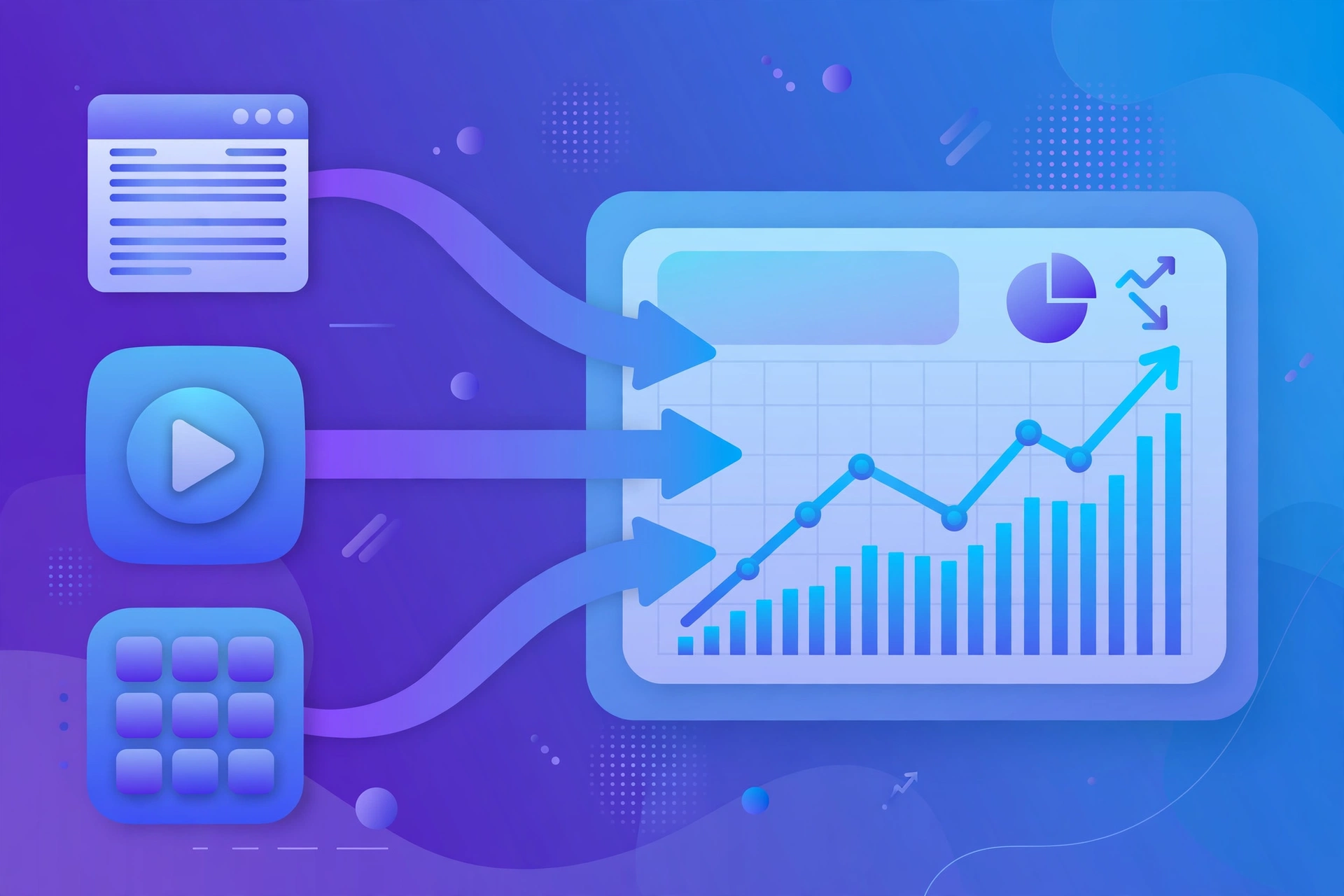
Content is the engine: no content, no clicks, no commissions. These formats convert because they match what buyers search for:
- In-depth reviews. Test the product and publish an honest review: pros, cons, and who it suits. Real photos beat stock images.
- Comparisons. “X vs Y” posts capture buyers who have almost decided. Compare features and pricing side by side, then recommend one per use case.
- How-to tutorials. Teach the reader to solve a problem and recommend the tool you use inside the tutorial, the most natural home for an affiliate link.
- Listicles. “Best X for Y” roundups serve browsers still choosing. Keep lists short and rank by use case, not commission rate.
- Problem and solution posts. Target the pain point directly. “How to fix slow Wi-Fi in a large home” converts better than a generic router review.
Two multipliers separate average affiliates from successful ones. First, strong search engine positioning keeps old content earning for years. Second, AI tools speed up research and drafting: summarize program terms, outline posts, and repurpose one review into a video script, comparison table, and social thread. Our guide to practices for training AI models with prompts shows how to shape one to write in your voice.
One rule never changes: promote only products you would recommend to a friend. One dishonest review costs more trust than ten honest ones build.
How do you track affiliate links and measure results?
Every network dashboard reports the same core numbers: clicks (who clicked your links), conversions (clicks that became qualifying purchases), conversion rate (conversions divided by clicks; 1 to 3 percent is normal, above 5 percent is strong), and earnings per click (EPC) (commissions divided by clicks, showing which content deserves more effort).
Set up link management from day one. Pretty Links (a WordPress plugin) turns long tracking URLs into clean branded links and counts clicks per link. Add UTM parameters to social links so you can see which platform sends buyers, not just visitors. Monthly, check which posts send clicks, which products convert, and which traffic source produces buyers. Do more of what works, and test every link, because a broken link earns nothing.
What are the FTC disclosure rules for affiliate links?
Most beginner guides skip this, yet it can get your accounts closed. The FTC’s Endorsement Guides (updated in 2023) require clear disclosure of any material connection with a merchant, including affiliate commissions.
The rules in practice:
- Disclose near the link. Put your disclosure before or directly beside the affiliate link, not only in a footer or on a separate page.
- Use plain language. Write something like: “I may earn a commission if you purchase through this link, at no extra cost to you.” Avoid vague phrases like “thanks to our partners.”
- Disclose on every platform. On YouTube, say it verbally early in the video and include it in the description. On social media, put #ad or “affiliate link” at the start of the caption.
- Follow network rules too. Amazon Associates requires a specific disclosure statement on pages with Amazon links.
Disclosure does not hurt conversions. Readers expect creators to earn from recommendations, and transparency builds trust.
What mistakes do beginners usually make?
The most useful affiliate marketing tips for beginners are cautionary. Most failed affiliate sites fail for the same avoidable reasons:
- Promoting too many products at once. Master one niche and two programs first. Ten programs produce noise, not income.
- Choosing by commission rate alone. A 75 percent commission on an untrusted product pays less than 5 percent on one that sells itself.
- Skipping disclosure. Beyond the legal risk, hidden links destroy reader trust when discovered.
- Copying manufacturer descriptions. Search engines ignore duplicate content, and readers can tell you never touched the product.
- Expecting fast money. Income compounds over months. Quitting at week six is the most common exit.
- Spamming links. Raw links in comments and DMs burn accounts and reputation. Links belong inside genuinely helpful content.
How long does it take to earn money with affiliate marketing?
It takes months, not days. Here is a realistic roadmap:
- Months 1 to 3. Pick a niche, set up your platform, join one or two programs, and publish your first 10 to 20 pieces of content. Expect zero to a few commissions. This phase builds assets, not income.
- Months 3 to 6. Search traffic arrives. Sellvia’s 2026 beginner guide reports first commissions within 60 to 90 days for weekly publishers. Income stays small, often a few hundred dollars a month at most.
- Months 6 to 12. Industry guides commonly cite $0 to $1,000 per month here for consistent publishers. Your best posts start ranking and recurring commissions begin stacking.
- Year two and beyond. Compounding kicks in: old content keeps earning while new content adds more. Full-time earners almost always published consistently for 12 to 24 months.
Treat the first year as building a business, because that is what it is. The earners are the ones who kept publishing when the dashboard showed almost nothing.
Frequently asked questions
How much does it cost to start affiliate marketing?
You can start for free with a social media account or a free blog, investing only your time. A professional setup with a custom domain, hosting, and basic tools typically costs under $100 per year. Reinvest early commissions into better hosting and tools.
Do I need a website to do affiliate marketing?
No, but it helps a great deal. YouTube channels, Pinterest accounts, and email newsletters all work as affiliate platforms. However, many networks prefer applicants with a website, and a blog is the only platform you fully own. Start with one platform and expand once it produces results.
Is affiliate marketing still profitable in 2026?
Yes, for affiliates who create genuine, experience-based content in specific niches. Generic review sites face heavy competition from AI-generated content, which makes real product testing and personal perspective more valuable, not less. Trust and specificity are the advantages that still win.
How are affiliate commissions paid?
Most networks pay monthly by bank transfer, PayPal, or check once you reach a minimum threshold, commonly $10 to $100 depending on the program. Payments are usually released 30 to 60 days after the sale to allow for returns and fraud checks.
Can I do affiliate marketing without showing my face?
Yes. Blogs, Pinterest, and email newsletters require no camera at all, and many successful YouTube channels use screen recordings or voiceovers instead of on-camera presenters. Written content often converts just as well as video when it answers buyer questions thoroughly.
What is the difference between an affiliate network and an affiliate program?
An affiliate program belongs to a single merchant, like Amazon Associates, and covers only that merchant’s products. An affiliate network, like ShareASale, CJ Affiliate, or Impact, hosts programs from thousands of merchants under one dashboard, one tracking system, and one payout.
Conclusion
Affiliate marketing for beginners comes down to a simple loop: pick a narrow niche, join one or two trustworthy programs, create content that genuinely helps buyers decide, and disclose your links clearly. The mechanics are not complicated, but they reward patience: first commissions within a few months of consistent publishing, meaningful income usually after a year or more.
Your next step is concrete: choose your niche this week using the three-factor test above, verify that real programs exist in it, and publish your first honest product review. For more plain-English guides on marketing and technology, explore the CPN Tech homepage and keep building.