
Learn SEO: A Complete Beginner’s Guide (2026)
Learn SEO: A Complete Beginner’s Guide (2026)
To learn SEO is to build the practical skill of making websites visible in unpaid search results. It means researching what people search for, creating content that answers those queries better than competing pages, and fixing the technical issues that stop search engines from crawling, indexing, and ranking a site.
This guide gives you the complete path: what SEO involves, the core skills in plain English, a 12-week roadmap with checkable milestones, the free and paid training resources worth your time, a practice project you can start this week, and the mistakes that slow most beginners down. At CPN Tech, our marketing guides explain technical topics simply, so start from the CPN Tech homepage anytime you want the full library.
Key Takeaways
- SEO is learnable: most beginners grasp the fundamentals in three to six months and build real confidence after about a year of practice.
- The fastest way to learn SEO combines official free guides, one structured SEO training program, and hands-on work on your own website.
- Learn in layers: how search works, keyword research, on-page SEO, technical SEO, then off-page SEO and link building.
- Measure everything in Google Search Console. Rankings follow real experiments, not theory.
- In 2026, learning SEO also means learning to be cited inside AI-generated answers, not just ranked in classic blue links.
Table of Contents
- What Does It Mean to Learn SEO?
- Why Is SEO Still Worth Learning in 2026?
- How Do Search Engines Actually Work?
- What Should a Good SEO Tutorial Cover?
- How to Learn SEO for Beginners: A 12-Week Roadmap
- Which SEO Training Options Are Worth Your Time?
- How Do You Practice SEO Without a Client?
- What Tools Do You Need When You Learn SEO?
- How Long Does It Take to Learn Search Engine Optimization?
- Can Learning SEO Lead to a Job or Freelance Work?
- What Mistakes Slow Beginners Down?
- Frequently Asked Questions
What Does It Mean to Learn SEO?
Search engine optimization (SEO) is the practice of improving a website so it appears higher in unpaid (organic) search results. To learn SEO is to learn three connected crafts: discovery (finding the keywords your audience uses and the intent behind them), creation (publishing pages that satisfy that intent better than competitors), and engineering (helping search engines crawl, understand, and trust your site).
Learning SEO is not memorizing ranking factors, because Google uses hundreds of signals and changes them constantly, and it is not collecting tricks, because loopholes get sites penalized. It is part knowledge, part hands-on practice, and part judgment built from watching what actually moves rankings. If the term itself is still fuzzy, read our plain-English guide to what SEO is first, then come back.
Why Is SEO Still Worth Learning in 2026?
Three reasons stand out. First, AI search runs on SEO. Google AI Overviews, ChatGPT, Perplexity, and other answer engines build responses largely from pages that already rank well, so strong organic visibility is now the main pathway to being cited inside AI-generated answers. SEO is more valuable than ever, not less.
Second, the economics favor it: paid ads stop delivering the moment you stop paying, while a ranking page can send traffic for years, which keeps demand for SEO skills high across in-house roles, agencies, and freelance work. Third, the skill compounds: every keyword you research and every experiment you run teaches you something reusable on the next project.
How Do Search Engines Actually Work?
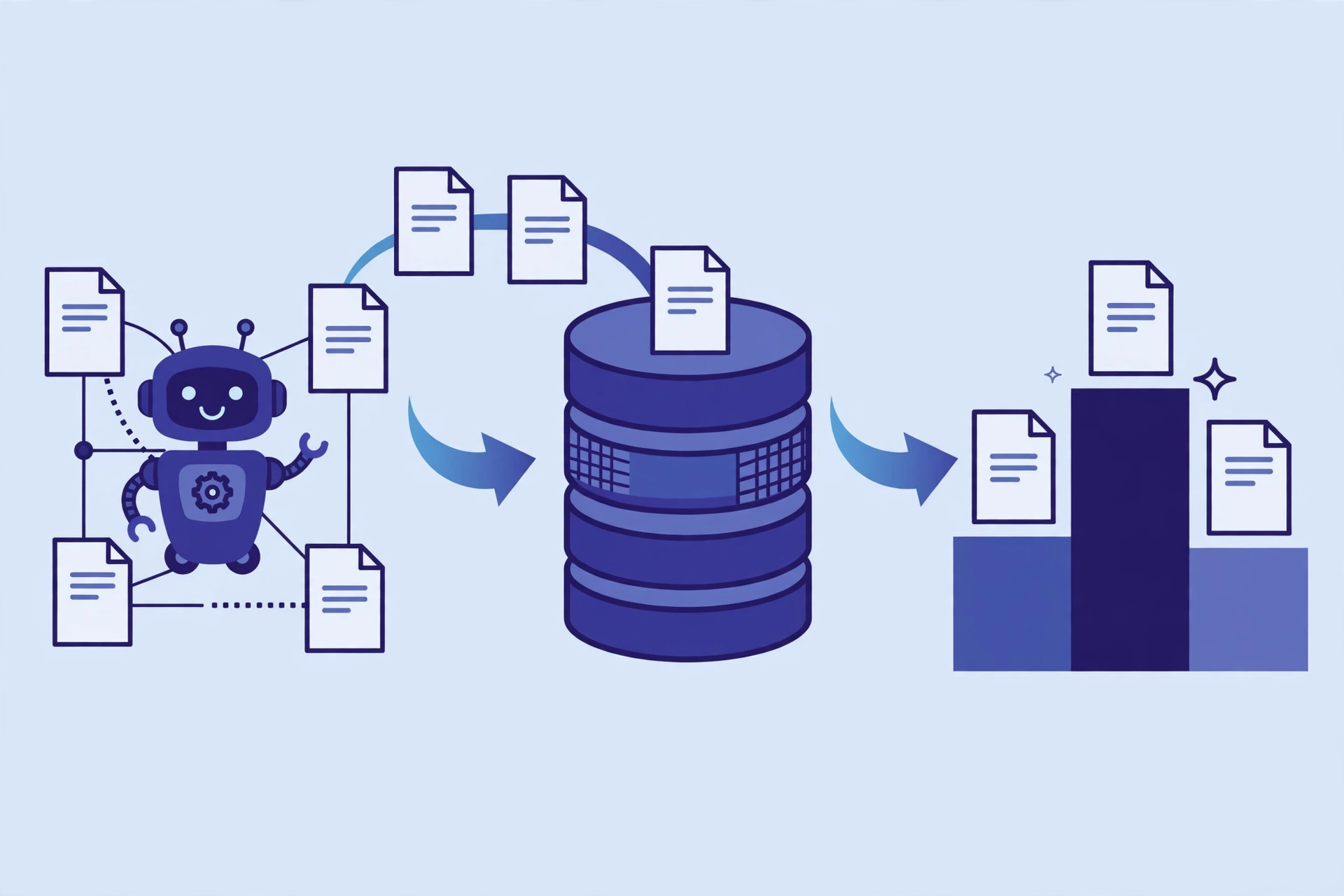
Google, which handles the large majority of searches, describes its process in three stages. Crawling: automated programs (Googlebot is the best known) discover pages by following links across the web. Indexing: Google analyzes each page and stores it in its index, but only if the page is accessible, unique enough, and technically sound. Ranking: when someone searches, algorithms order the most relevant indexed pages using hundreds of signals, including query relevance, content quality, page experience, and authority earned through links.
Three lessons follow. If crawlers cannot reach a page, it cannot rank, no matter how good the content is. Indexing is not guaranteed: thin or duplicated pages may be crawled but never indexed. And ranking is relative: you need a page that serves the searcher better than the pages currently outranking you.
What Should a Good SEO Tutorial Cover?
Every worthwhile SEO tutorial teaches the same five skill areas, in roughly this order. If a course skips one, plan to fill the gap elsewhere.
Keyword research and search intent
Keyword research means discovering the exact phrases people type into search engines and grouping them by intent: informational, navigational, commercial, or transactional. The beginner workflow: list seed topics, expand them with a keyword tool, note volume and difficulty, and prioritize low-competition terms with clear intent. Long-tail keywords (longer, specific phrases) convert better and are easier for new sites to rank for.
On-page SEO
On-page SEO is everything you control on the page: title tag, meta description, URL slug, headings, body content, internal links, and images. The core discipline is matching search intent: if the top results are step-by-step guides, a thin listicle will struggle regardless of quality. Keep title tags under 60 characters with the main term near the front, structure content with clear headings, and give every image descriptive alt text.
Technical SEO basics
Technical SEO ensures search engines can access, render, and understand your site. Beginners should learn to check index coverage in Google Search Console, understand sitemaps and robots.txt, and grasp why HTTPS, mobile-friendliness, and page speed (Core Web Vitals) matter. You do not need to become a developer, but you need enough literacy to diagnose problems and brief one.
Off-page SEO and link building
Off-page SEO builds your site’s authority through backlinks, which act as votes of confidence from other sites. Quality beats quantity: one link from a respected publication outweighs dozens from thin directories. Safe tactics include creating link-worthy content, digital PR, and guest posting on real sites. Buying links and link schemes risk penalties that take months to recover from.
Content that earns rankings
Content is where the other skills converge. Ranking content answers the query directly and early (good for featured snippets and AI citations), covers the topic more completely than competing pages, shows real experience, and stays current. Learn to structure articles around one clear intent per page, with question-based headings and concise, quotable definitions.
How to Learn SEO for Beginners: A 12-Week Roadmap
Theory without milestones drifts. This plan takes a complete beginner from zero to running real SEO experiments in three months, at one to two focused hours per day. Each phase ends with a checkable milestone: if you cannot do it, repeat the phase.
| Weeks | Focus | Milestone |
|---|---|---|
| 1-2 | Search fundamentals: read the Google SEO Starter Guide; learn crawl, index, rank. | Explain in your own words how a page goes from published to ranked. |
| 3-4 | Keyword research: intent types; build a 50-keyword list with intent, volume, difficulty. | Ten chosen quick-win targets with written reasoning. |
| 5-6 | On-page SEO: titles, meta descriptions, headings, URLs, internal linking. | Five before-and-after page optimizations with reasoning notes. |
| 7-8 | Technical basics and measurement: Search Console, sitemaps, Core Web Vitals. | Search Console verified, sitemap submitted, one issue fixed. |
| 9-10 | Content and internal linking: publish three optimized articles. | Three live articles, each targeting one primary keyword. |
| 11-12 | Off-page and reporting: white-hat outreach; read your performance report. | First outreach sent; a written read of your own search data. |
After week 12 you are not an expert, but you are something more useful: a beginner with a practiced workflow, a small portfolio, and the ability to read data. From here, repeat the cycle on harder keywords and add one advanced topic per month.
Which SEO Training Options Are Worth Your Time?
Start with free official sources, add one structured program, and only pay when free material stops answering your questions.
| Resource | Cost | Best for |
|---|---|---|
| Google SEO Starter Guide | Free | Correct fundamentals straight from the source. |
| Google Search Central documentation | Free | Technical detail on crawling, indexing, structured data. |
| Google Search Console training videos | Free | Learning the tool that shows how Google sees your site. |
| Moz Beginner’s Guide to SEO | Free | A friendly full-curriculum read for absolute beginners. |
| Semrush Academy | Free (some paid) | Structured video courses with exercises and certifications. |
| HubSpot Academy SEO course | Free | Quick certification on on-page and content basics. |
| Ahrefs Academy and blog tutorials | Free | Deep, data-driven tutorials on keywords and link building. |
Are paid SEO courses worth it?
A paid SEO course is worth it when it gives you structure, feedback, or accountability: a cohort with assignments or an instructor who reviews your audits. It is not worth it when it promises guaranteed rankings or secret loopholes. Red flags include countdown timers, no visible curriculum, and material that never mentions Google Search Console. Spend your first money on a practice site, not a course: a small practice project teaches more than a video library you never finish.
How Do You Practice SEO Without a Client?

This is the step most guides skip and the one that matters most. SEO is a performance skill, and only experiments on live pages build judgment. Run this concrete project instead.
Build a small site: register a domain, install WordPress, and pick a narrow niche you care about, where ranking is achievable within months. Publish ten articles targeting low-competition keywords from your week 3-4 list, one primary keyword per article, with on-page basics covered. When you are ready to move from learning to doing, our guide on how to do SEO walks through the process on a live site.
Measure from day one. Verify the site in Google Search Console, submit the sitemap, and install Google Analytics. Then run one experiment at a time: change titles on five articles, keep five as a control group, wait three to four weeks, and compare click-through rates. Document everything: what you changed, when, and what happened to impressions, clicks, and average position. That log becomes your portfolio. These practical SEO tips give you quick wins for week one.
What Tools Do You Need When You Learn SEO?
Beginners need fewer tools than the industry suggests. This free stack covers the roadmap: Google Search Console (how Google crawls and indexes your site; the single most important learning tool), Google Analytics (what visitors do after arriving), Google Keyword Planner (free volume data), Google PageSpeed Insights (performance and Core Web Vitals with fix recommendations), Screaming Frog free tier (finds broken links, missing titles, and redirect chains), and RankMath or Yoast SEO (handles WordPress titles, sitemaps, and schema without code).
Paid tools like Semrush and Ahrefs earn their keep later, for competitive research at scale or client reporting. Until then, the free stack plus spreadsheets is enough.
How Long Does It Take to Learn Search Engine Optimization?
Two clocks run at once, and mixing them up is why beginners quit. The learning clock measures how long it takes to understand the craft: with one to two focused hours daily, most people grasp the fundamentals in three to six months. The ranking clock measures how long Google takes to discover, evaluate, and trust your work: new pages often need three to six months to reach their potential, and competitive keywords can take a year or more.
Real confidence typically arrives after about a year of working on live websites, once you have watched several full cycles of change, wait, and result. The fundamentals from year one stay relevant for years.
Can Learning SEO Lead to a Job or Freelance Work?

Yes, and the path is portfolio-driven, not credential-driven. Common paths include in-house roles, agency roles, and freelancing (many freelancers start with free audits for local businesses, then convert wins into retainers).
Interviews test practical ability: audit a site live, build a keyword plan, or explain a ranking drop. Your practice site answers all three. Bring before-and-after Search Console screenshots, your experiment log, and two or three ranking articles. That evidence beats any certificate.
What Mistakes Slow Beginners Down?
Most beginners fail from a handful of predictable mistakes, not from lack of information:
| Mistake | The fix |
|---|---|
| Keyword stuffing | Use the keyword naturally in key spots, then synonyms and related terms. |
| Buying links or link schemes | Earn links with useful content and legitimate outreach; penalties take months to reverse. |
| Ignoring search intent | Study the current top 10 results before writing a single word. |
| Never measuring anything | Install Search Console on day one and review it weekly. |
| Chasing algorithm rumors | Follow official Google Search Central updates; fix fundamentals first. |
| Quitting in month two | Rankings lag effort by months: commit to the full 12 weeks before judging. |
| Learning only theory | Start the practice project in week one, not after the course. |
Frequently Asked Questions
How long does it take to learn SEO?
Most beginners understand the fundamentals within three to six months of studying one to two hours daily. Real confidence usually arrives after about a year of practicing on live websites, because ranking results lag behind effort by several months.
Can I learn SEO for free?
Yes. Google SEO Starter Guide, Google Search Central documentation, Search Console training videos, Moz Beginner’s Guide, Semrush Academy, and HubSpot Academy SEO course are all free and cover the full beginner curriculum. Pay later, and only for structure or feedback, not secret tactics.
Do I need to know how to code to learn SEO?
No. Keyword research, content optimization, and strategy are code-free. Basic HTML literacy (headings, title tags, links, image attributes) helps a lot, and CMS skills cover the rest. Learn just enough technical SEO to diagnose issues and brief a developer.
Is SEO still relevant with AI search in 2026?
Yes, arguably more than ever. AI answer engines like Google AI Overviews build responses largely from pages that already rank well. Learning SEO in 2026 means optimizing both for classic rankings and for being cited inside AI-generated answers.
What is the first thing I should do to learn SEO?
Read the Google SEO Starter Guide for correct fundamentals, then start a small practice website the same week. Research ten keywords, publish one optimized article, and set up Google Search Console. Learning by doing beats learning by watching.
Should I take an SEO course or learn on my own?
Start on your own with free official resources; they cover everything a beginner needs. Consider a paid SEO course only if you need structure, graded assignments, or instructor feedback. Avoid any course promising guaranteed rankings or secret loopholes.
Conclusion
To learn SEO is to learn a craft with three parts: discovering what people search for, creating pages that serve those searches better than anyone else, and keeping the technical foundation sound. Follow the 12-week roadmap, use the free training resources, build a practice site in week one, measure everything in Search Console, and give the ranking clock time to catch up. In the AI-search era of 2026, the same clear, authoritative content that ranks is what answer engines cite. Start today: pick your niche, research your first ten keywords, and publish article one. A year from now, you will wonder why it ever looked complicated, and you will have the portfolio to prove it.