Email Marketing News: Key Changes for 2026
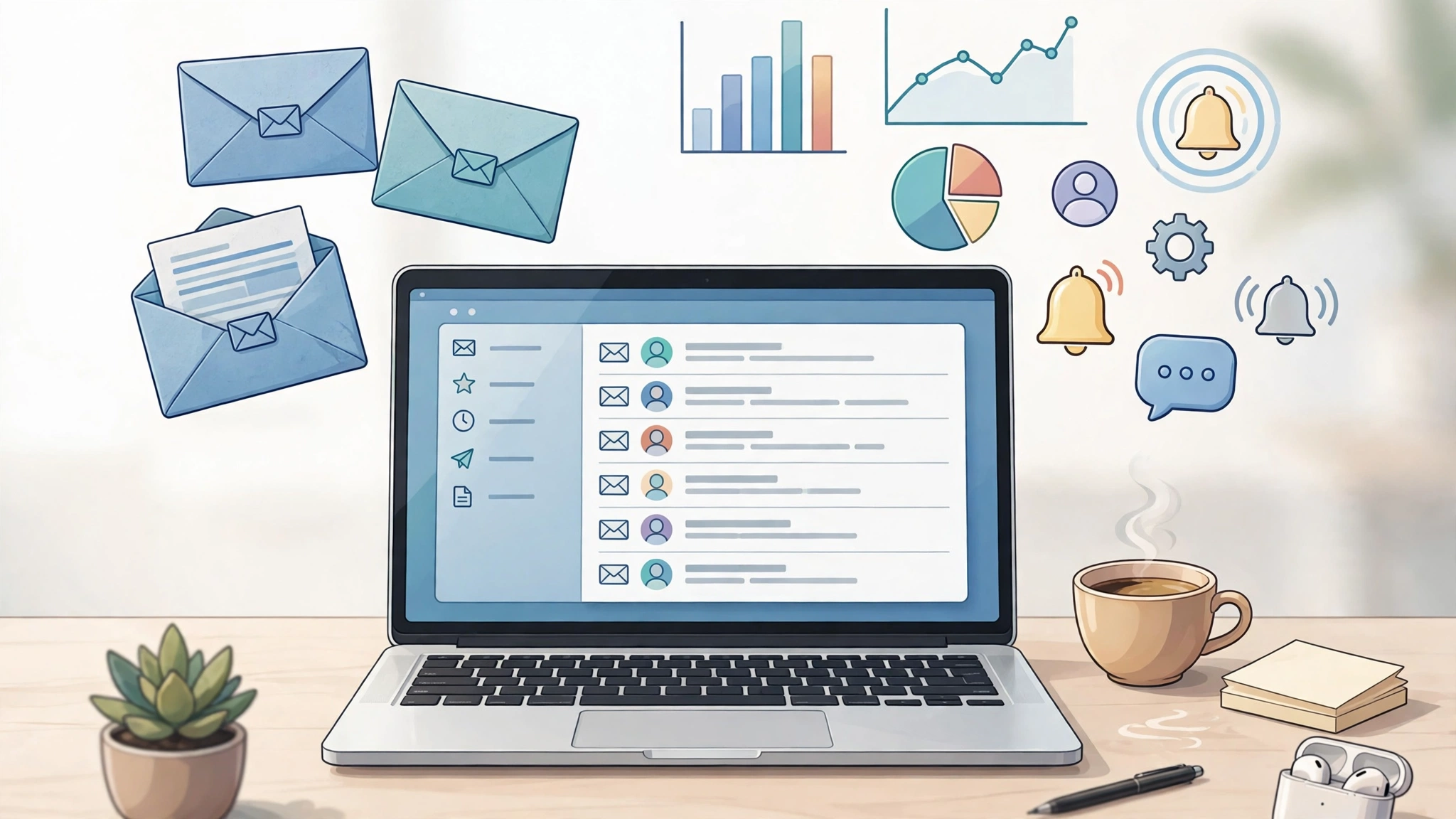
Email marketing news in 2026 tells a clear story: email is not fading, but how it reaches people, earns attention, and proves its value has changed. Stricter sender rules, privacy protections that weaken old metrics, and AI that reads and summarizes messages before a person opens them now reward permission and relevance, and punish bulk sending and stale lists. This guide explains each change, and the steps worth taking first.
Key Takeaways
- Email marketing news in 2026 centers on trust: authentication, consent, list quality, and relevance decide inbox placement.
- Open rates alone no longer prove success, because privacy protections and AI summaries change opens.
- Clicks, replies, conversions, unsubscribes, and complaints give a truer picture than any single metric.
- Automated welcome, cart, post purchase, and reactivation emails usually outperform broadcasts.
- Small, permission based lists often beat large stale lists.
Table of Contents
- What Is Email Marketing News and Why Does It Matter Now?
- What Are the Biggest Email Marketing Changes in 2026?
- How Are Stricter Inbox Rules Changing Email Marketing?
- How Is AI Changing Email Marketing in Practice?
- What Does Privacy First Email Marketing Look Like?
- How Should Marketers Measure Email Success Now?
- What Are the Smartest Email Flows to Build First?
- How Can Small Businesses Act on Email Marketing News?
- What Mistakes Should Marketers Avoid in 2026?
- Frequently Asked Questions
- Conclusion
What Is Email Marketing News and Why Does It Matter Now?
Email marketing news means the latest developments affecting how businesses send email, how providers filter it, and how readers respond. It covers platform updates, sender rules, privacy changes, and benchmarks. It matters because email is an owned channel: a subscriber list is a direct relationship, not an algorithm dependent audience, and that advantage only holds when senders protect it.
Email marketing is the practice of sending messages to people who have agreed to receive them, for newsletters, launches, nurture sequences, cart reminders, and customer education. The latest news does not change that purpose. It raises the standard: a message now needs verified sender identity, a clean list, relevant content, and an easy way out. Judge every update by whether it affects inbox placement, reader expectations, or measurement.
What Are the Biggest Email Marketing Changes in 2026?
Five changes define email marketing news in 2026. First, deliverability tightened: bulk senders must authenticate domains, keep complaints low, and offer one click unsubscribe, following Gmail and Yahoo rules from February 2024 and similar Microsoft expectations.
Second, privacy changed measurement: Apple Mail Privacy Protection, introduced in 2021, can record an open for an unread message, and AI summaries let a reader grasp a message without opening it.
Third, AI became everyday assistance: subject help, send time suggestions, behavior based segments, and content recommendations, used to choose the right segment, moment, and next step.
Fourth, email joined a wider journey, linked with SMS, push notifications, customer data, and ecommerce tools, so a welcome, purchase, or reactivation message continues across channels.
Fifth, content quality and accessibility matter more: clear headings, short paragraphs, readable contrast, descriptive links, and image alt text decide whether a message is understood on phones and screen readers.
How Are Stricter Inbox Rules Changing Email Marketing?
Stricter inbox rules make sender reputation a daily concern. Providers judge identity (proof a message comes from its claimed domain), behavior (volume, consistency, list hygiene), and reader response (opens, clicks, replies, complaints, unsubscribes).
Three authentication standards matter most: SPF, DKIM, and DMARC. SPF lists approved sending servers, DKIM signs messages against alteration, and DMARC tells providers how to handle failures, with reports to the domain owner. Setup of all three is now basic. Without them, even legitimate mail risks the bulk folder or rejection.
Complaint rates matter just as much: providers expect them very low, commonly below three per thousand messages for bulk senders under Gmail and Yahoo rules. One stale list campaign can break that threshold, so removing hard bounces, non engagers, and unconsented contacts protects the rest of the list.
Easy unsubscribe is the third pillar. Gmail now lets readers manage subscriptions and unsubscribe from many senders at once. A business hiding its link invites complaints. A clear link, plus a preference page offering fewer emails or different topics, keeps more subscribers. Before a large send, check authentication, bounce and complaint rates, and 90 day engagement.
How Is AI Changing Email Marketing in Practice?
AI changes email marketing by handling prediction, personalization, and production work that used to take hours. The best uses are narrow and testable. The weakest add volume without relevance.
Predictive segmentation is one strong use: tools group subscribers by purchases, browsing, or engagement, so recent buyers get a restock reminder, new subscribers get a guide, and lapsed readers get a win back message, instead of one offer for everyone.
Send time optimization is another practical use: platforms stagger delivery toward each subscriber’s past open times. Test two windows for the same campaign type and keep the winner.
Content assistance works in a supporting role: subject options, shorter paragraphs, and clearer calls to action. Human review remains essential, because AI copy can sound generic or invent details, so check accuracy, tone, and one clear promise before sending.
AI also affects the receiving side: inbox assistants summarize long emails and sort promotional mail away from personal mail. Opening lines therefore carry more weight: state benefit, action, and reason to care, in that order. Use AI to segment, time, and draft, never to invent offers, and never without a human reading the final version.
What Does Privacy First Email Marketing Look Like?
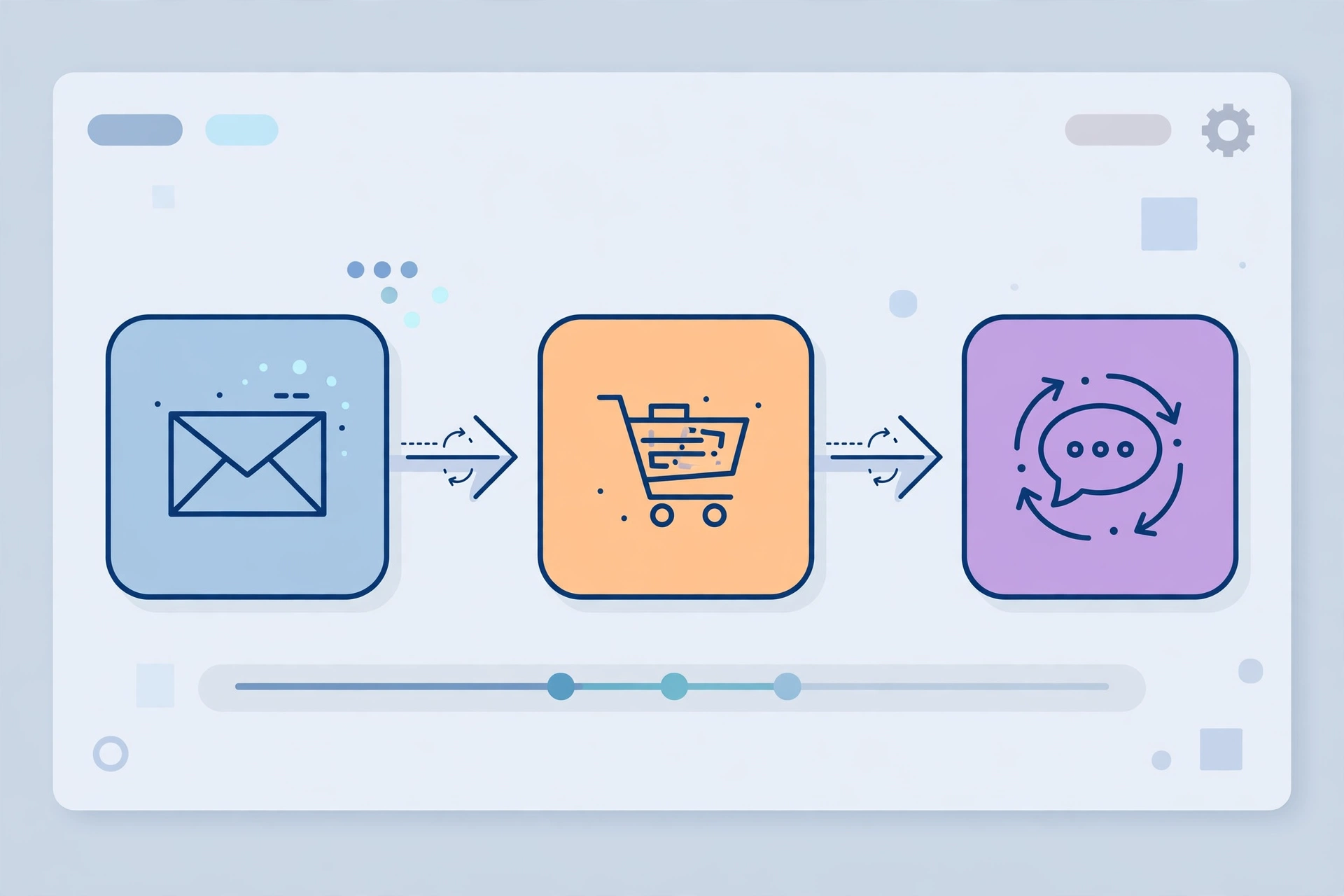
Privacy first email marketing means collecting less data, explaining what will be collected, and using only data a reader knowingly shared. It responds to privacy laws and platform protections, and readers stay longer with brands they trust.
First party data is the foundation: information shared directly, such as an address at checkout, a form preference, or purchase history. Zero party data goes further: information a person intentionally tells a brand, such as a quiz answer. Both beat bought lists and avoid consent problems.
Consent should be specific and visible: a signup form should say what emails will arrive, how often, and what the reader gets. A double opt in, confirming by a link in a confirmation email, greatly improves list quality by filtering typos and unwilling contacts.
Preference centers turn privacy into retention: instead of only an unsubscribe button, offer a weekly digest, product news only, or a 30 day pause. Readers who would otherwise leave often choose a lighter option. Key information belongs in text, not inside a picture.
How Should Marketers Measure Email Success Now?
Marketers should measure success by combining action metrics with business outcomes, treating open rates as a rough signal rather than a verdict. The question moved from “how many people opened this” to “what did this email move”.
A useful set has four parts: click rate, conversion rate, revenue per recipient, and unsubscribe and complaint rates as guardrails, since a converting campaign that drives complaints borrows from future deliverability.
Track the same numbers for every campaign and compare each with the last three of the same type. Benchmark reports from MailerLite, Litmus, and Omnisend in 2026 vary widely, and automated messages often earn far more per send than broadcasts. Test one variable at a time and keep the winner.
What Are the Smartest Email Flows to Build First?
The smartest flows are tied to a moment the reader already cares about. A flow is an automated sequence triggered by an action, such as signing up, buying, abandoning a cart, or going quiet. Five flows cover most small businesses.
The welcome flow comes first. A new subscriber is at peak interest, so the first email should arrive quickly, confirm the signup, deliver promised value, and set expectations, followed by two short emails in the first week: a popular product or story, then an invitation to reply or choose preferences.
The abandoned cart flow comes second for sellers. A reminder within a few hours, then a helpful nudge the next day, often recovers sales a newsletter never would. Keep it helpful: remind the reader what was left behind, answer a shipping or returns question, and only then consider an incentive.
The post purchase flow comes third: a thank you, delivery update, and care guide build confidence, then a review request and a recommendation based on the actual purchase extend the relationship.
The reactivation flow comes fourth: after 90 days without engagement, a short check in beats a discount blast, offering a lighter frequency and letting silence be an answer. Removing long term non openers protects deliverability. The event and launch flow comes fifth: a save the date, preview, reminder, and recap, each standing alone.
How Can Small Businesses Act on Email Marketing News?
Small businesses can act without a large team or expensive platform, through four weekly habits: protect the list, send one useful message, review one number, and fix one thing.
Protecting the list starts at signup. Remove pre ticked boxes, state frequency honestly, and never add buyers to marketing mail without a clear checkout opt in. One purchase does not imply agreement to a weekly newsletter.
One useful weekly message beats five forgettable ones. It teaches something usable today, saves time or money, or shares news early. A shop might share a guide, checklist, or restock notice; a service business might answer one common question per email. Over time, that builds the habit of opening.
Review one number each week, rotating through click rate, conversion rate, revenue per recipient, unsubscribe rate, and complaint rate. When one moves sharply, check what changed, audience, subject, timing, or offer, and write the lesson in one sentence.
Fix one thing each week: authentication, then the welcome email, then list cleaning, a preference page, and a subject test. After two months the program looks different, though no single week felt dramatic. Providers judge senders by consistent good behavior. Email brings subscribers back, while search brings new readers in. Our guide to what is SEO explains search in simple terms, and our practical SEO tips show how to earn that traffic. For businesses selling through partners, our guide to affiliate marketing for beginners covers another owned channel. The homepage of CPN Tech gathers these guides in one place.
What Mistakes Should Marketers Avoid in 2026?
Avoid five old habits that new inbox rules punish faster. First, never buy or rent lists: unconsented contacts complain, bounce, and damage reputation for the whole domain, affecting every future campaign.
Second, do not judge success by opens alone. A campaign with high opens and no clicks, replies, or sales has only been recorded. Optimizing only for opens drifts toward misleading subject lines and higher complaints.
Third, do not send the same message to the whole list. Three groups, engaged recent readers, new subscribers, and everyone else, already improve relevance greatly.
Fourth, do not hide the unsubscribe link. Readers who cannot leave quietly will mark mail as spam, harming deliverability far more than a clean unsubscribe. A visible link plus a preference page is a retention tool, not a loss.
Fifth, do not let AI send unchecked copy. AI drafts can invent product details or adopt the wrong tone. A quick human read, checking offer, price, link, and call to action, plus alt text and phone readability, prevents most errors.
| Old email habit | 2026 replacement |
|---|---|
| Judge every send by open rate | Judge by clicks, conversions, and revenue per recipient, with complaints as a guardrail |
| Blast the whole list with one offer | Send triggered flows and segmented messages matched to reader behavior |
| Hide unsubscribe to keep list size up | Offer clear unsubscribe and preference choices to keep engaged readers |
| Track everything possible | Collect only consented first party data and explain its use plainly |
| Publish long generic AI copy unchecked | Use AI for drafts and segmentation, with human review before every send |