

What Is SEO in Digital Marketing? A Simple Guide
Search engine optimization, known as SEO, helps your website show up in the unpaid results of Google and other search engines. When someone searches for a product, a service, or an answer you can provide, SEO puts your page in front of them free.
SEO in digital marketing means improving your website so search engines can find it, understand it, and trust it enough to rank it high in organic search results. It covers your content, site speed, page structure, and reputation across the web, and it works as one channel inside a wider plan alongside social media, email, and paid ads.
Key Takeaways
- SEO in digital marketing earns free, organic visibility in search results.
- Search engines rank pages through crawling, indexing, and ranking.
- The four main types are on-page, off-page, technical, and local SEO.
- SEO supports every other channel by creating content that email, social, and ads can reuse.
- Expect signals in 30 days, movement in 60 to 90 days, and real returns from 6 months onward.
- Measure SEO with organic traffic, keyword positions, and cost per organic lead.
Table of Contents
- What Does SEO Mean in Marketing?
- How Does Search Engine Positioning Work?
- What Are the Main Types of SEO in Digital Marketing?
- How Does SEO Fit Into the Wider Digital Marketing Mix?
- Is SEO Worth It? Costs, Timeline, and ROI
- How Does AI Search Change SEO in Digital Marketing?
- What Are the Common SEO Mistakes Beginners Should Avoid?
- How to Start With SEO in Digital Marketing
- Frequently Asked Questions
- Conclusion
What Does SEO Mean in Marketing?
What does SEO mean in marketing? SEO stands for search engine optimization, and in marketing it means the ongoing work of making your website the best answer to the searches your customers type into Google. It is not a trick and it is not a one-time fix. It is a repeatable process of publishing helpful content, fixing technical problems, and earning trust from other websites.
Marketing is about being found by the right people at the right moment. Traditional marketing interrupts people with ads. SEO does the opposite: it captures people who are already looking for what you offer. That is why marketers call organic search a high-intent channel.
SEO differs from paid search in one important way. With paid ads, you rent attention, and the traffic stops the day you stop paying. With SEO, you build an asset: a page that ranks well can keep bringing visitors for months or years. That compounding effect is the core reason businesses invest in it.
How Does Search Engine Positioning Work?
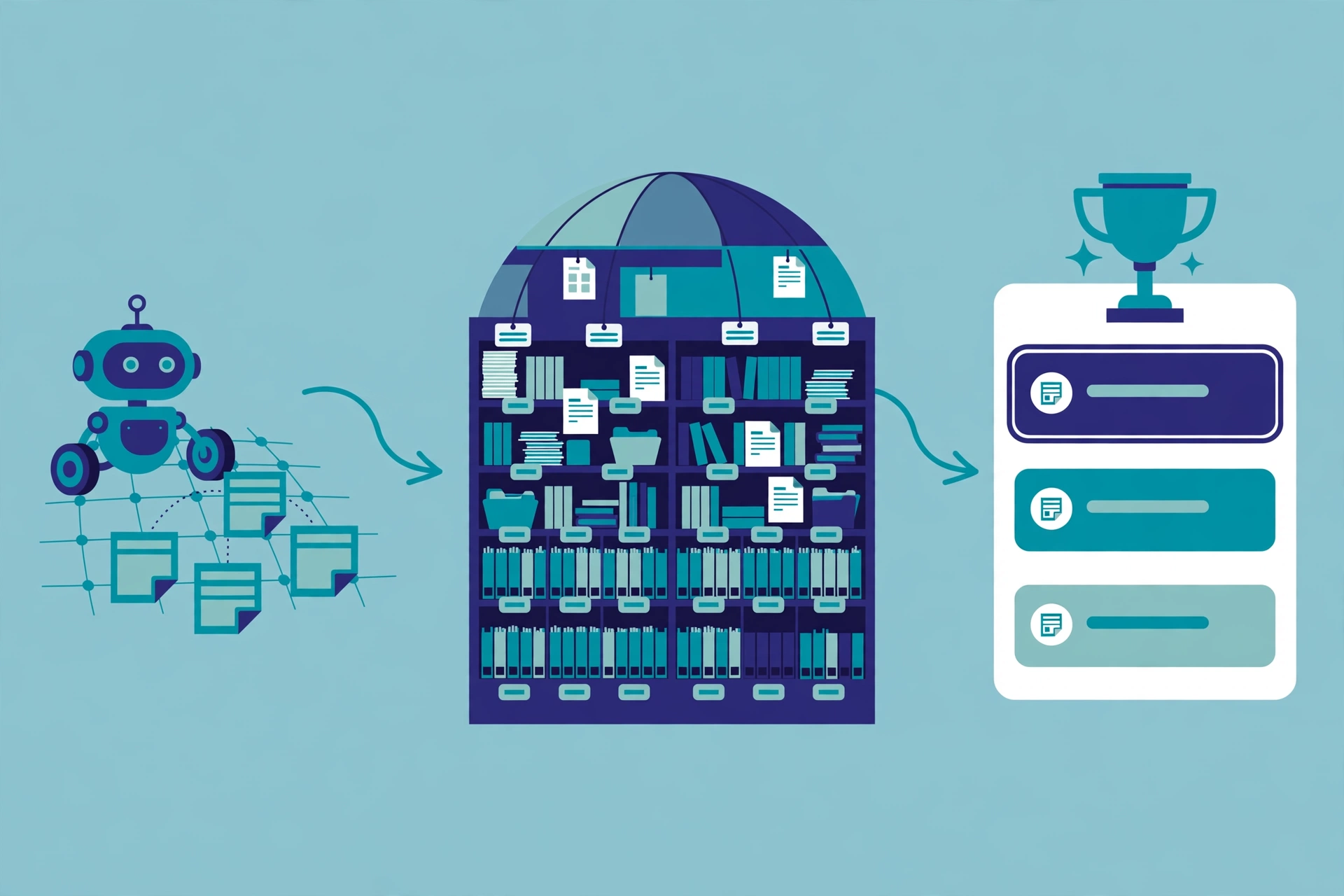
Search engine positioning is how Google decides where your page appears in search results, and SEO is the work of improving that position. Every search engine follows three steps: crawling, indexing, and ranking.
Crawling comes first. Search engines send automated programs, called crawlers or spiders, to discover pages on the web. Googlebot follows links from page to page and reads your sitemap, which lists the pages on your site. If a page has no links pointing to it, or if your server blocks the crawler, the page may never be found.
Indexing comes second. Once a crawler fetches your page, the search engine analyzes the text, images, and headings to understand what the page is about, then stores it in a massive index. If a page is not indexed, it cannot appear in any search result.
Ranking comes third. When someone types a query, the search engine searches its index and orders the matching pages in milliseconds. Google weighs hundreds of signals, but they fall into three groups: relevance (does the page match the query), quality (is the content helpful and trustworthy), and authority (do other reputable sites link to it).
Search engine positioning is therefore not a single switch you flip. It is the combined result of your content quality, your technical health, and your authority. A page can rank only if it is crawled, indexed, relevant, and trusted.
What Are the Main Types of SEO in Digital Marketing?
SEO is usually split into four types. A complete strategy uses all of them together because they reinforce each other.
On-Page SEO
On-page SEO is everything you optimize on your own pages: the words, title tag, meta description, headings, images, and internal links. The goal is simple: make it obvious what the page covers and why it deserves to rank.
Good on-page SEO starts with search intent. Before writing, ask what the searcher wants: to learn, to compare, or to buy, then match the page type to that intent.
Off-Page SEO
Off-page SEO covers the signals that come from outside your website. The most important is backlinks, links from other websites to yours. Google treats a link from a respected site as a vote of confidence, and one link from a major industry publication carries far more weight than ten links from unknown blogs.
You cannot fully control backlinks. Businesses earn them by creating content worth citing: original research, useful tools, and clear guides.
Technical SEO
Technical SEO is the behind-the-scenes work that lets search engines find, crawl, and use your site. It covers site speed, mobile-friendliness, secure HTTPS connections, clean site structure, XML sitemaps, and structured data such as FAQ schema. A slow page or a crawl error can keep a great article out of the results entirely.
Google measures user experience with Core Web Vitals, which track loading speed, interactivity, and visual stability. Visitors leave slow sites, and a visitor who leaves cannot become a customer.
Local SEO
Local SEO helps businesses appear in location-based searches, such as “plumber near me.” It centers on your Google Business Profile, local reviews, and consistent name, address, and phone details across the web. For a business that serves a specific area, local SEO is often the fastest way to see results, because the competition is smaller and the intent is stronger.
How Does SEO Fit Into the Wider Digital Marketing Mix?

Most beginner guides skip this question, yet it is the reason SEO earns its budget. SEO is not a separate silo. It is the foundation that makes every other channel work better.
Content marketing and SEO are the same engine. Every blog post, guide, and video you create for SEO becomes content you can share on social media, send in an email newsletter, and link from your sales pages. Without SEO, that content sits unseen. Without content, SEO has nothing to rank.
SEO also improves paid advertising. Google Ads uses a Quality Score to price your clicks, and that score depends heavily on how relevant your landing page is to the ad. A page that is already optimized for SEO usually scores better, which means you pay less per click.
Social media and SEO support each other indirectly. Social shares do not directly raise rankings, but a post that spreads earns links, brand searches, and traffic, and all three help SEO. Meanwhile, search traffic brings new people to your social profiles.
Finally, SEO creates the audience for retargeting. Visitors who arrive from organic search and leave without buying can be reached again with ads, and because they already showed intent, retargeting costs less and converts better than cold advertising.
Is SEO Worth It? Costs, Timeline, and ROI
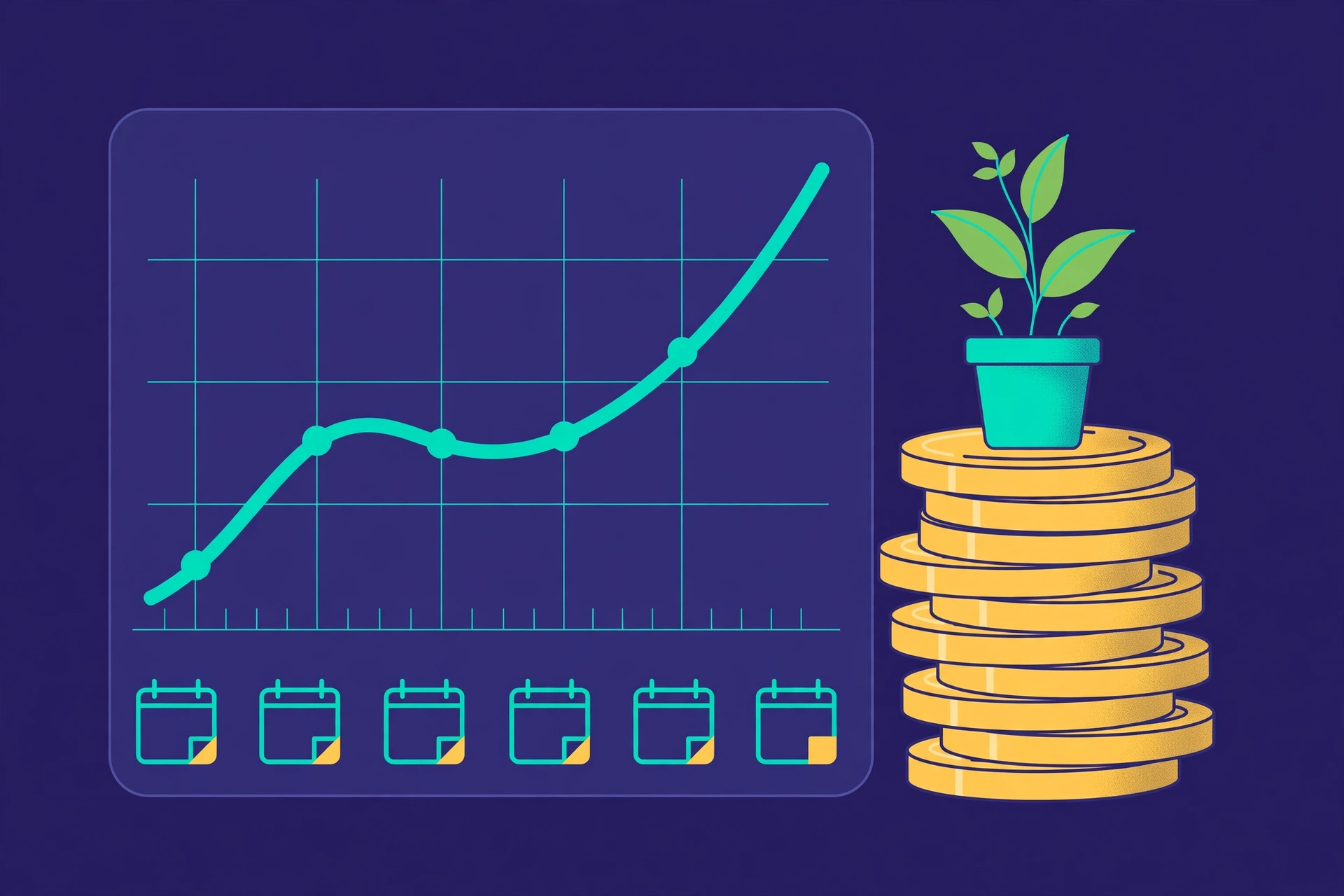
Is SEO worth it? For most businesses that depend on being found online, yes, but only if you judge it on the right timeline and measure it honestly. SEO is a poor choice if you need sales this week. It is one of the best choices if you want a marketing asset that keeps working while you sleep.
What SEO Costs
SEO costs fall into three models. Doing it yourself costs time rather than money: free tools such as Google Search Console, writing your own content, and fixing basic technical issues. Expect 5 to 10 hours a week for a small site. A freelancer typically charges 500 to 2,000 dollars a month. An agency usually starts around 1,500 to 5,000 dollars a month. Small businesses often start with DIY plus a one-time technical audit, then hire help once organic traffic begins converting.
A Realistic First 90 Days
Month one is foundation: audit the site, fix crawl errors and speed problems, set up Google Search Console and Analytics, and research the keywords your customers actually use. You will see almost no traffic change, and that is normal.
Month two is content: publish 4 to 8 genuinely useful pages targeting keywords you can realistically win, usually longer, specific phrases. Search Console will start showing impressions, which means Google is testing your pages in results, even if clicks are still low.
Month three is momentum: some pages begin ranking on page two or three, a few long-tail queries bring your first clicks, and you learn which topics deserve more content. Real traffic growth usually starts between month four and month six.
How to Measure SEO ROI
Measure SEO with numbers, not feelings. Track organic sessions in Google Analytics, keyword positions in Google Search Console, and conversions from organic traffic. Two formulas keep you honest. Cost per organic lead equals your total monthly SEO spend divided by the number of leads from organic search. Traffic value equals the estimated cost of buying the same clicks with ads. If your SEO spend is 1,000 dollars a month and it brings 20 leads, your cost per lead is 50 dollars. Compare that with your paid ads cost per lead.
How Does AI Search Change SEO in Digital Marketing?
AI search is the biggest change to SEO since mobile. Google now shows AI Overviews, AI-written summaries, above many traditional results. Research from Ahrefs found that when Google shows an AI summary, users click through to websites less often, which means simply ranking tenth is worth less than it used to be.
This changes what good SEO looks like. First, pages must be quotable: AI systems cite passages, not whole pages, so every section should answer one question clearly in its first two sentences. Second, brand visibility matters more than raw position. Third, original information wins: AI can summarize generic advice, but it cannot invent your data, your examples, or your experience.
Practical steps for AI search are straightforward. Add FAQ sections with direct 40 to 60 word answers. Use FAQPage schema so machines can read your questions and answers. Keep facts current, because AI systems favor fresh sources. And track AI visibility, not just rankings.
What Are the Common SEO Mistakes Beginners Should Avoid?
The most common beginner mistake is targeting keywords you cannot win. A new site will not rank for “SEO” or “digital marketing” in its first year. Target longer, specific phrases with clear intent, and build authority topic by topic.
The second mistake is publishing thin content. A 300-word page that repeats what ten competitors already say will not rank. Google rewards pages that answer the question fully, add examples, and cover follow-ups. Depth beats volume: one complete guide outperforms five shallow posts.
The third mistake is ignoring technical basics. A site that loads slowly, breaks on mobile, or blocks crawlers with a bad robots.txt file wastes every content effort. Run a free PageSpeed Insights test and fix the red items first.
The fourth mistake is buying links. Paid link schemes violate Google spam policies and can earn a manual penalty that removes your site from results.
The fifth mistake is treating SEO as a one-time project. Rankings decay when content goes stale and competitors publish better pages. Review your top pages every six months, update facts and examples, and refresh anything that has slipped.
How to Start With SEO in Digital Marketing
Starting with SEO is simpler than most guides make it sound. Follow these steps in order.
- Set up Google Search Console and Google Analytics, and verify your site.
- Fix the technical basics: fast loading, mobile-friendly pages, HTTPS, and a submitted sitemap.
- Research 20 to 30 keywords your customers actually search for, mixing a few bigger terms with many specific long-tail phrases.
- Map each keyword to one page, and write the most helpful page on that topic you can.
- Optimize each page: keyword in the title, first paragraph, one heading, and meta description, plus image alt text and internal links to related pages.
- Publish consistently: one strong article a week beats five weak ones.
- Build authority gradually by sharing your content and earning mentions from relevant sites.
- Review Search Console monthly, double down on pages gaining impressions, and update pages that are slipping.
Frequently Asked Questions
What is SEO in digital marketing in simple words?
SEO in digital marketing means improving your website so it appears higher in the free, organic results of search engines such as Google. It involves better content, faster pages, clear structure, and earning trust from other websites, so search engines recommend your pages to people searching for what you offer.
What does SEO mean in marketing for a small business?
For a small business, SEO means being found by nearby customers who are already searching for your service. It usually starts with local SEO, a Google Business Profile, and helpful pages for your main services, and it costs mainly time at first.
How long does SEO take to work?
SEO usually shows early signals in 30 days, visible ranking movement in 60 to 90 days, and meaningful traffic growth from 4 to 6 months onward. The exact timeline depends on your competition and how consistently you publish and fix technical issues.
Is SEO worth it in 2026 with AI search?
Yes, SEO is worth it in 2026, but the goal has shifted from ranking tenth to being cited. AI Overviews answer many queries directly, so pages that give clear, quotable answers and original information still earn visibility, traffic, and brand searches.
What is the difference between SEO and SEM?
SEO earns free visibility in organic search results through content and optimization, while SEM, or search engine marketing, pays for visibility through ads such as Google Ads. SEO is slower but compounds over time, while SEM is immediate but stops when you stop paying.
How much does SEO cost for beginners?
Beginners can start SEO for free using Google Search Console, Analytics, and Keyword Planner, plus their own time writing content. A freelancer typically costs 500 to 2,000 dollars a month, and an agency usually starts around 1,500 dollars a month.
Conclusion
SEO in digital marketing is the practice of earning visibility in search results by being genuinely helpful to the people searching. It works through crawling, indexing, and ranking, and it succeeds when your content, technical health, and authority all pull in the same direction.
The honest trade is time for durability. SEO will not save a launch next week, but a page built well today can still bring customers a year from now. Start with the basics, pick keywords you can win, publish one useful page at a time, and measure the result. For more plain-language tech guides, explore CPN Tech.